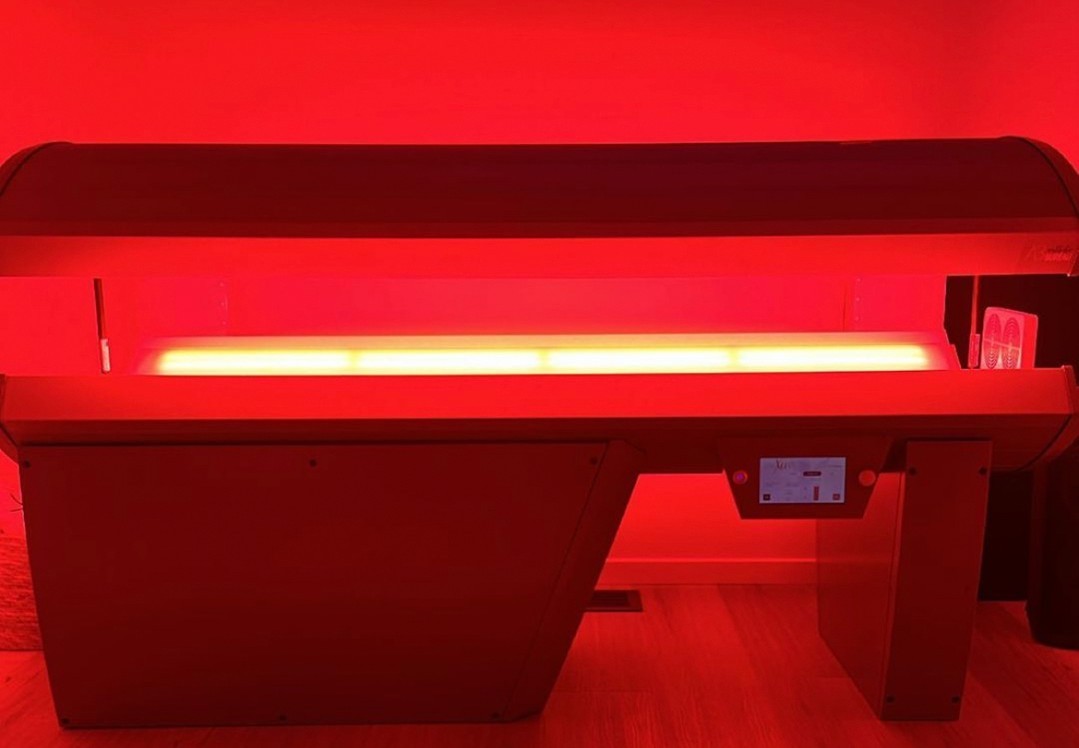
LED light therapy has become a popular option for people interested in skincare, beauty treatments, and personal wellness. These devices use specific wavelengths of light to target different skin concerns and are available in several formats, including face masks, handheld devices, panels, and full-body systems. However, choosing the right machine requires more than comparing prices or selecting a device based on its appearance. Understanding the technology, intended use, safety features, and practical requirements can help you make an informed purchasing decision. Whether you are considering a device for home skincare or professional use, several important factors deserve attention before investing in an LED light therapy machine. Explore our range of light therapy devices at Aesthetic Bureau to discover advanced LED solutions designed to support skin rejuvenation and professional aesthetic treatments.
Understand Your Primary Treatment Goals
The first step is to identify what you want to achieve with LED light therapy. Different devices are designed for different applications, so your intended use should guide your selection. Some people are interested in improving the appearance of their skin, while others want a device for a beauty clinic or wellness facility. Red light devices are commonly marketed for skin appearance and certain aspects of skin health, while blue light devices are often used in acne-related skincare. Near-infrared light is also used in some devices designed for applications involving deeper tissues.
It is important to understand that not every machine provides the same wavelengths or has the same level of supporting evidence. A device designed primarily for facial skincare may not be appropriate for treating larger body areas. Before making a purchase, review the manufacturer’s stated intended use and determine whether the device’s features align with your needs. Having a clear goal will help you avoid paying for functions that you may not require.
Check the Wavelengths and Light Technology
Wavelength is one of the most important technical features to consider when evaluating an LED light therapy machine. Different wavelengths interact with biological tissues in different ways, and the selected wavelength influences the intended application of the device. Red light commonly falls within the approximate range of 620 to 700 nanometres, while near-infrared light typically extends from around 700 to 1,000 nanometres in consumer devices. Blue light is generally found at shorter wavelengths and is often associated with acne-focused skincare applications.
Look carefully at the technical specifications instead of relying on general descriptions such as advanced light technology or multiple treatment modes. A reliable manufacturer should clearly state the wavelengths produced by the device and explain its intended use. If the information is incomplete or difficult to verify, consider researching alternative products. Remember that a particular wavelength alone does not guarantee a specific result, because treatment outcomes also depend on factors such as light intensity, exposure time, treatment distance, and the condition being addressed.
Evaluate Power Output and Treatment Coverage
Power output and treatment coverage can influence how conveniently a machine fits into your routine. Manufacturers may provide measurements such as irradiance, usually expressed in milliwatts per square centimetre, to describe the amount of light reaching a particular area. However, these figures should be assessed carefully because measurements can vary depending on the distance from the device, testing conditions, and measurement method. Higher output does not automatically mean better results, and excessive exposure may increase the risk of unwanted effects.
Treatment coverage is another practical consideration. A small handheld device may be suitable for targeting limited areas, whereas a face mask can provide more consistent coverage across facial skin. Larger panels and full-body systems may be more appropriate for people who want to treat broader areas, although they require more space and may cost considerably more. Compare the manufacturer’s recommended treatment distance and session duration to understand how the machine should be used in practice.
Consider Safety Features and Certifications
Safety should be a priority when choosing an LED light therapy machine. Look for clear operating instructions, recommended exposure times, suitable protective measures, and information about possible contraindications. Some devices require eye protection, particularly when bright light is directed towards the face or eyes. Never assume that a device is safe for unrestricted use simply because it is marketed for home treatments.
Check whether the product has applicable regulatory clearances or certifications, and understand what those claims actually mean. For example, a registration, electrical safety certification, or clearance for a particular medical indication does not necessarily establish that a device is effective for every advertised purpose. If you have a photosensitive condition, take medications that increase sensitivity to light, or have an eye condition, consult a qualified healthcare professional before using the device. Stop using it if you experience unexpected pain, significant irritation, or visual symptoms.
Compare Build Quality and Ease of Use
The design of an LED light therapy machine can influence how often you use it and how well it suits your environment. Examine the materials, overall construction, controls, cable quality, ventilation, and stability of the device. For a face mask, check whether it fits comfortably and distributes light across the intended treatment area. For a panel, consider the mounting system, adjustability, and whether it can be positioned securely at the recommended distance.
Ease of use is equally important. A machine with straightforward controls, clear instructions, and an appropriate timer may be easier to incorporate into a regular routine. If you are buying the equipment for a professional setting, consider cleaning requirements, durability, warranty coverage, and the manufacturer’s guidance on repeated use. A well-designed machine should make it clear how to operate, maintain, and store the equipment without unnecessary complexity.
Review the Price, Warranty, and Ongoing Costs
LED light therapy machines are available at different price points, depending on their size, features, output, and intended application. When comparing products, look beyond the initial purchase price and consider the value of the equipment over time. A less expensive device may be suitable for basic personal use, while a larger system with additional controls may be more appropriate for a professional environment. However, a higher price alone does not guarantee superior quality or better treatment outcomes.
Review the warranty period, return policy, customer support options, and availability of replacement parts before placing an order. Check whether the manufacturer provides technical documentation and responds to questions about performance and maintenance. You should also consider shipping charges, taxes, and any accessories that must be purchased separately. These details can help you calculate the overall cost and reduce the likelihood of unexpected expenses after buying the machine.
Research the Manufacturer and Product Claims
A manufacturer’s reputation and the quality of its product information can help you assess whether a device is worth considering. Look for transparent specifications, clear instructions, independent testing where available, and realistic explanations of expected outcomes. Be cautious of products that promise immediate transformations, guaranteed results, or the ability to treat a wide range of unrelated conditions without credible supporting evidence.
Independent reviews can provide useful information about durability, comfort, customer service, and everyday usability. Nevertheless, customer testimonials are not a substitute for scientific evidence. For professional applications, verify whether the machine is appropriate for your intended service and whether additional training, licensing, or regulatory requirements apply in your location.
Conclusion
Choosing an LED light therapy machine requires careful consideration of your treatment goals, wavelengths, output, coverage, safety features, build quality, and overall cost. Taking time to compare specifications and verify product claims can help you select a device that suits your needs and budget. Before purchasing, read the instructions, understand the limitations of the technology, and seek professional advice when necessary. A well-informed decision can help you use LED light therapy more responsibly and establish realistic expectations about what the equipment may offer.
Leave a Reply